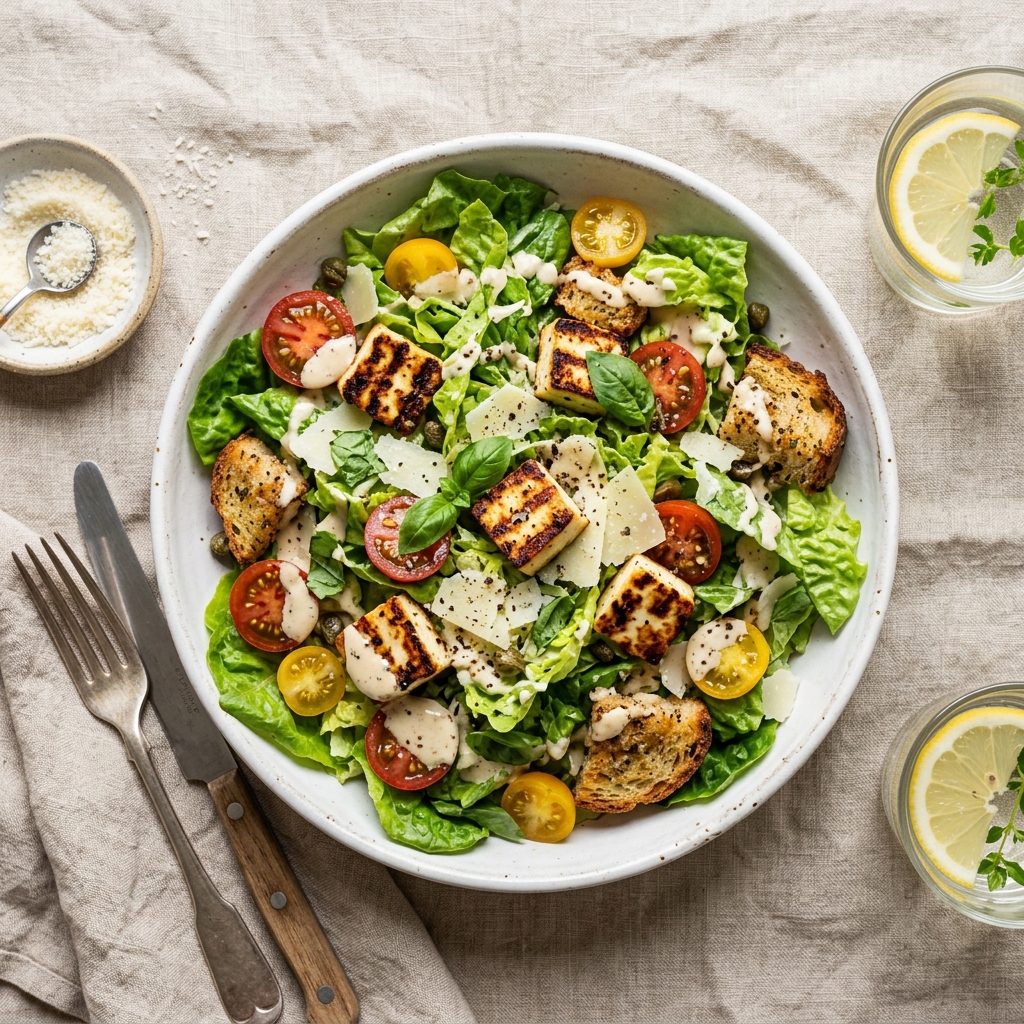

Unlocking the Protein Formula for Busy Professionals
Are you getting enough protein? Learn how to calculate your daily protein needs and hit them effortlessly with clean, delicious, vegetarian-friendly meals.

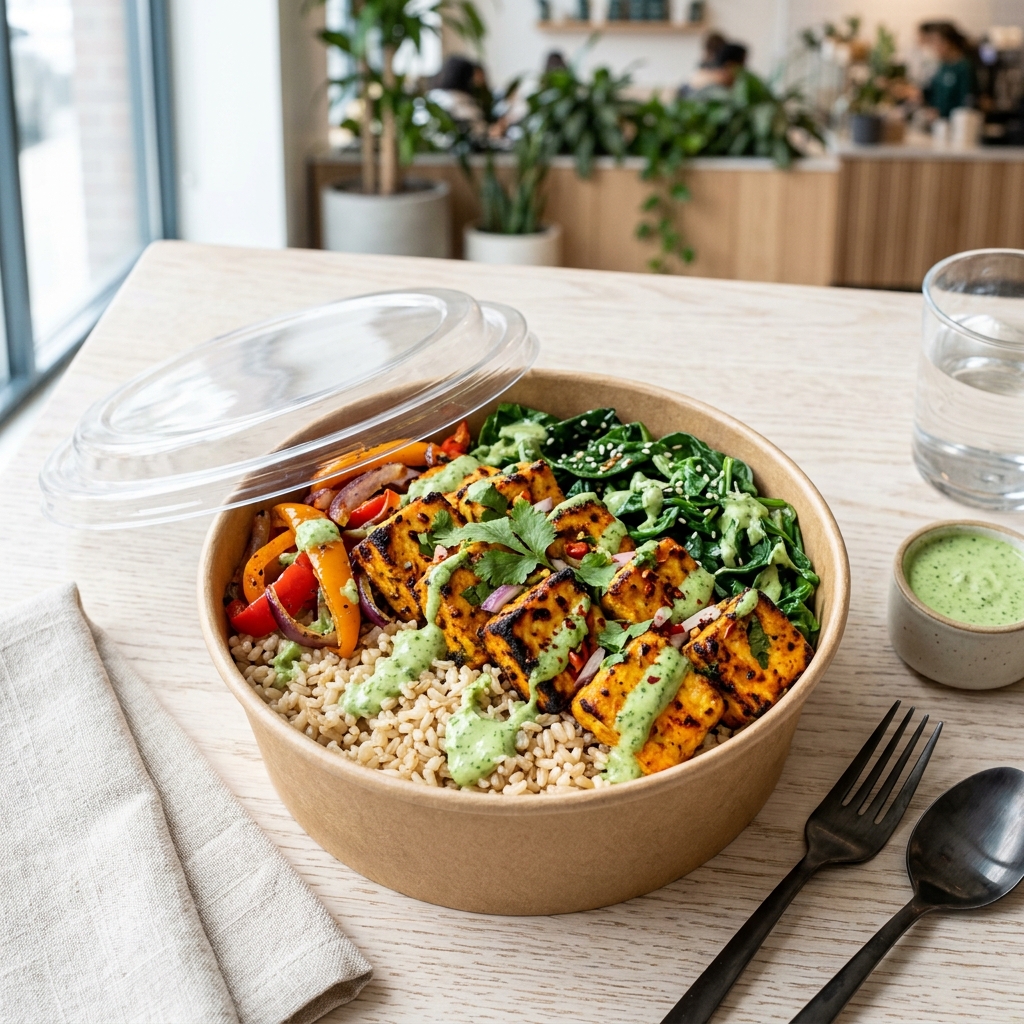
If you're a busy working professional in Noida, chances are you spend 8–10 hours sitting at a desk. When physical activity is low, maintaining muscle mass and preventing metabolic slowing becomes critical. This is where protein plays a starring role.
Why Protein Is the Most Important Building Block of Your Body
Imagine building a house. Your body is like that house, and it requires different resources for structure, utilities, maintenance, and operations:
- Protein = Bricks
- Carbohydrates = Electricity (Energy)
- Fats = Fuel Reserve & Insulation
- Vitamins & Minerals = Workers and Tools
- Water = Transport System
If you have electricity but no bricks, you cannot build or repair the house. That is exactly what happens inside your body when you skip on protein.
Every Cell in Your Body Needs Protein
Your body contains approximately 30–40 trillion cells. Every single day, old cells die, new cells are created, muscles repair themselves, skin renews, hair grows, nails grow, blood cells are replaced, hormones are produced, enzymes digest food, and antibodies fight infections. All of these biological processes depend on protein. Without enough protein, your body cannot repair itself efficiently.
Protein Is More Than Just Muscle
Many people believe protein is only for gym-goers. In reality, protein is vital for everyone due to several factors:
- Muscle Repair: Every walk, staircase, workout, or daily task causes tiny muscle wear. Protein helps repair and strengthen those muscles.
- Strong Immunity: Antibodies that defend against bacteria and viruses are made from proteins. Low protein intake can weaken your immune response.
- Hormone Production: Many hormones rely on proteins or amino acids. These influence growth, metabolism, stress response, appetite, and mood.
- Enzymes: Enzymes are proteins. They allow your body to digest food, produce energy, repair tissues, and support thousands of chemical reactions. Without enzymes, life would not function.
- Healthy Skin, Hair & Nails: Hair is mostly made of keratin, a protein. Skin relies on structural proteins such as collagen. Nails are also built from proteins. Low protein intake may contribute to hair fall, brittle nails, and slower wound healing.
- Strong Bones: Bones are not made only of calcium. Their framework is rich in collagen, a protein that gives bones flexibility and strength. Protein and calcium work together for healthy bones.
- Faster Recovery: After illness, injury, surgery, or intense exercise, protein helps rebuild damaged tissues.
- Healthy Weight: Protein helps people feel full for longer. It can reduce overeating and support healthy weight management when combined with a balanced diet.
Why Protein Is Often Overlooked in India
This is not because people do not care about health. Several factors have contributed to this general gap:
- Traditional Diet Patterns: Many meals are centered around cereals such as rice, wheat, roti, poha, and upma. These foods provide energy but relatively little protein.
- Lack of Nutrition Education: For many years, nutrition advice emphasized generic guidelines like "eat enough", "drink milk", or "eat vegetables". There was less public discussion about meeting specific daily protein needs.
- Cost and Accessibility: High-protein foods such as paneer, eggs, fish, chicken, dairy, and nuts can be more expensive than staple grains for many families.
- Myths: Common misconceptions include: "Protein is only for bodybuilders", "Women don't need much protein", or "Older adults need less protein". These are myths. Protein is important throughout life.
What Does Your Body Need Every Day?
Your body needs six essential nutrient groups to function properly:
| Nutrient | Why It Matters | Common Sources |
|---|---|---|
| Protein | Growth, repair, enzymes, immunity | Eggs, dal, paneer, fish, chicken, soy, milk |
| Carbohydrates | Main energy source | Rice, roti, fruits, oats, potatoes |
| Healthy Fats | Brain, hormones, vitamin absorption | Nuts, seeds, olive oil, mustard oil, ghee (in moderation) |
| Fiber | Gut health, digestion, blood sugar support | Fruits, vegetables, legumes, whole grains |
| Vitamins & Minerals | Normal body functions | Colorful fruits and vegetables, dairy, pulses |
| Water | Hydration, temperature regulation, nutrient transport | Water and other healthy fluids |
General Daily Nutrition Guide (Adults 20–40 Years)
| Nutrient | Recommended Intake |
|---|---|
| Calories | 2,000–2,500 kcal (depends on sex and activity) |
| Protein | 1.0–1.6 g/kg body weight |
| Carbohydrates | 225–325 g |
| Fiber | 25–38 g |
| Healthy Fats | 50–80 g |
| Water | 2.5–3.5 L |
Example: Daily Intake for a 70 kg Person
- Calories: ~2,200–2,500 kcal
- Protein: 84–112 g
- Carbohydrates: 250–300 g
- Fiber: 30–35 g
- Healthy Fats: 60–70 g
- Water: 3 L
Signs You May Not Be Getting Enough Protein
Possible signs include: feeling tired, frequent hunger, slow recovery after exercise, loss of muscle mass, hair thinning, brittle nails, slow wound healing, and reduced strength. These symptoms can have many causes, so they are not specific to protein deficiency alone.
Easy Protein Sources
Vegetarian Sources
- Dal & Lentils
- Rajma & Chana
- Soy chunks & Tofu
- Paneer & Milk
- Curd & Greek yogurt
- Peanuts & Almonds
- Pumpkin seeds
Non-Vegetarian Sources
- Eggs
- Chicken
- Fish & Prawns
- Lean meat
Daily Protein Goal Guidelines
Protein requirements are better based on body weight and activity level than on age alone. Here is a simple evidence-based guideline:
- Minimum: ~0.8 g protein per kg of body weight per day
- Active adults: ~1.2–1.6 g/kg/day
- Strength training / muscle gain: ~1.6–2.2 g/kg/day
| Body Weight | Sedentary (0.8–1.0 g/kg) | Active (1.2–1.6 g/kg) | Muscle Gain (1.6–2.2 g/kg) |
|---|---|---|---|
| 55 kg | 45–55 g/day | 65–90 g/day | 90–120 g/day |
| 60 kg | 50–60 g/day | 72–96 g/day | 96–132 g/day |
| 65 kg | 52–65 g/day | 78–104 g/day | 104–143 g/day |
| 70 kg | 56–70 g/day | 84–112 g/day | 112–154 g/day |
| 75 kg | 60–75 g/day | 90–120 g/day | 120–165 g/day |
At Aaharsutram, we make meeting your daily protein targets effortless. Whether you need a moderate high-protein diet or a muscle-gain package, our meals are strictly tracked and balanced to deliver clean nutrients directly to your doorstep.
Not sure which meal plan is right for you?
Tell us your weight and lifestyle, and we'll estimate your daily protein target and show you the meal plans already matching your target.
What's your body weight?
Input your weight in kilograms. We use this to compute your daily multiplier.